If you’re importing goods, you’ve probably heard the term IGM during customs clearance. But what exactly is it, and why is it so important?
An Import General Manifest (IGM) is a document that informs Customs about all the cargo arriving on a vessel or aircraft. Without a valid IGM, imported goods cannot proceed through the normal customs clearance process.
What is an Import General Manifest (IGM)?
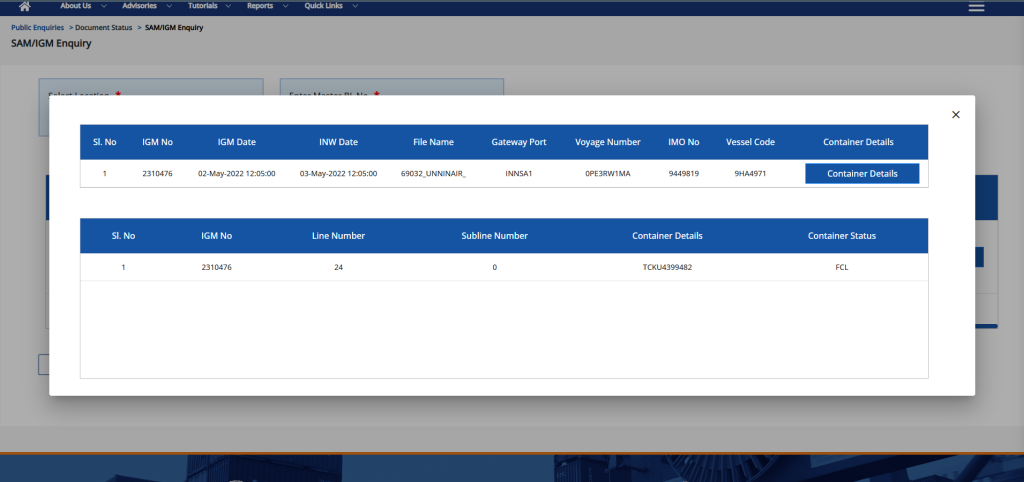
An Import General Manifest (IGM) is a declaration filed with Customs before or upon the arrival of an international vessel or aircraft. It contains details of every shipment being carried, allowing Customs to verify and process incoming cargo.
The IGM is usually filed by:
- The shipping line or airline
- Their authorized agent
- A freight forwarder (in specific cases, depending on local regulations)
Think of it as a “master list” of all the cargo arriving on a particular vessel or flight.
Why is IGM Important?
The IGM is one of the first documents Customs checks when a shipment arrives.
It helps Customs:
- Verify all arriving cargo.
- Match shipments with their Bills of Lading or Air Waybills.
- Begin the import clearance process.
- Identify cargo for inspection or further verification.
If your shipment is not listed correctly in the IGM, Customs may not allow the cargo to be cleared until the issue is resolved.
What Information Does an IGM Contain?
An IGM includes essential shipment details such as:
- Vessel or flight name and voyage number
- Port of loading and port of discharge
- Container number(s)
- Bill of Lading or Air Waybill number
- Consignee and shipper details
- Cargo description
- Number of packages
- Gross weight
These details help Customs identify and track every shipment arriving in the country.
What Happens if There is an Error in the IGM?
Even a small mistake in the IGM can cause delays.
Common errors include:
- Incorrect Bill of Lading number
- Wrong container number
- Incorrect consignee name
- Quantity or weight mismatch
- Missing shipment details
When this happens, the shipping line or its agent usually needs to file an IGM amendment with Customs. Depending on the country and the nature of the error, amendments may require supporting documents and Customs approval.
Until the mistake is corrected, cargo clearance can be delayed, leading to additional storage or detention charges.
Why Should Importers Care About the IGM?
Although importers do not usually file the IGM themselves, they should ensure that the shipment details shared with the shipping line are accurate.
Checking documents such as the Bill of Lading, commercial invoice, and packing list before the cargo arrives can help avoid unnecessary customs queries and clearance delays.
A simple verification before shipment arrival can save both time and money.
Conclusion
The Import General Manifest (IGM) is a crucial document in the import process. It provides Customs with a complete record of all cargo arriving on a vessel or aircraft and serves as the foundation for customs clearance.
While the shipping line or its agent files the IGM, importers should always ensure their shipment information is accurate. Correct IGM details can help prevent delays, avoid amendment procedures, and ensure a smoother import clearance process.