Once a shipping container is loaded with cargo, the doors are closed and secured with a container seal. This small metal or plastic device plays a crucial role in international shipping by protecting the cargo from unauthorized access during transit.
A container seal acts as proof that the container has remained unopened from the point of origin until it reaches its destination.
What is a Container Seal?
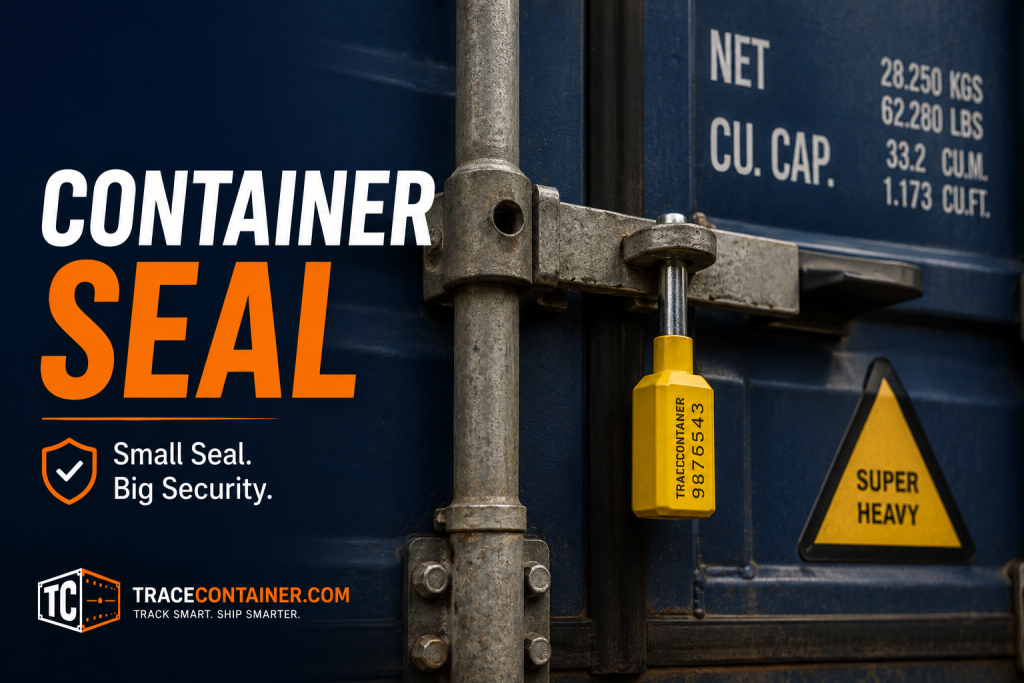
A container seal is a tamper-evident security device attached to the doors of a shipping container after it has been stuffed with cargo.
Each seal has a unique identification number, which is recorded on shipping documents such as the Bill of Lading, shipping instructions, and customs documents.
If the seal is broken or replaced during transit, it indicates that the container has been opened, and the shipment may require further inspection.
Why is a Container Seal Important?
A container seal helps ensure the security and integrity of the cargo throughout its journey.
Its main purposes are to:
- Prevent unauthorized access to the container.
- Reduce the risk of cargo theft.
- Detect tampering during transit.
- Help Customs verify shipment security.
- Maintain the integrity of the supply chain.
- Provide confidence to both the exporter and importer.
Although a seal cannot physically stop someone from opening a container, it clearly shows if the container has been tampered with.
How Does a Container Seal Work?
After the cargo is loaded:
- The container doors are closed.
- A seal is locked through the door locking bars.
- The seal number is recorded on the shipping documents.
- The container travels by truck, rail, and vessel.
- At the destination, the importer checks whether the seal number matches the documents before opening the container.
If the seal number does not match or the seal is damaged, the importer should immediately notify the shipping line and Customs before unloading the cargo.
Types of Container Seals
Several types of seals are used in logistics, depending on the shipment.
1. Bolt Seal (Most Common)
Bolt seals are made of high-strength steel and are widely used for international container shipments.
They:
- Are difficult to remove without cutting tools.
- Meet international security standards.
- Are accepted by Customs authorities worldwide.
Most ocean containers use bolt seals.
2. Cable Seal
Cable seals consist of a steel cable that passes through the container door handles.
They are commonly used for:
- Tank containers
- Trucks
- Rail wagons
- Special cargo
3. Plastic Seal
Plastic seals provide basic security and are generally used for:
- Domestic transportation
- Warehouses
- Courier bags
- Low-risk shipments
They are not suitable for high-security international container shipments.
What is a High Security Seal?
A High Security Seal is a bolt seal that complies with ISO 17712, the international standard for container security.
Many countries and shipping lines require ISO 17712-compliant seals because they provide better protection against tampering.
These seals are commonly used for export containers moving through international ports.
Real-Life Example
Suppose a company in India exports garments to the United Kingdom.
After loading the cargo:
- The exporter locks the container using a bolt seal.
- The seal number is recorded as TC4589231 on the Bill of Lading and shipping documents.
- When the container arrives in the UK, the importer checks the seal.
If the container still has seal number TC4589231, it indicates that the container remained sealed throughout the journey.
If the seal number is different or the seal is broken, Customs or the importer may inspect the cargo before unloading.
Where Can You Find the Seal Number?
The container seal number is usually printed on:
- Bill of Lading (B/L)
- Shipping Instructions
- Packing List (in some cases)
- Customs documents
- Shipping line tracking systems (for certain shipments)
Matching the seal number with the physical seal is an important step during cargo delivery.
Conclusion
A container seal is a small but essential security device used to protect cargo during transportation. It helps detect unauthorized access, reduces the risk of theft, and ensures that the shipment reaches its destination without tampering.
Before accepting delivery of any container, importers should always verify that the seal number on the container matches the seal number mentioned on the shipping documents. This simple check can help identify potential security issues before the container is opened.