Before cargo is loaded into a shipping container, the container itself must be inspected to ensure it is safe, clean, and fit for transport. This process is known as container inspection.
A damaged or contaminated container can lead to cargo damage, customs issues, insurance claims, or even rejection by the consignee. That’s why exporters, freight forwarders, and shipping lines inspect containers before stuffing begins.
What is Container Inspection?
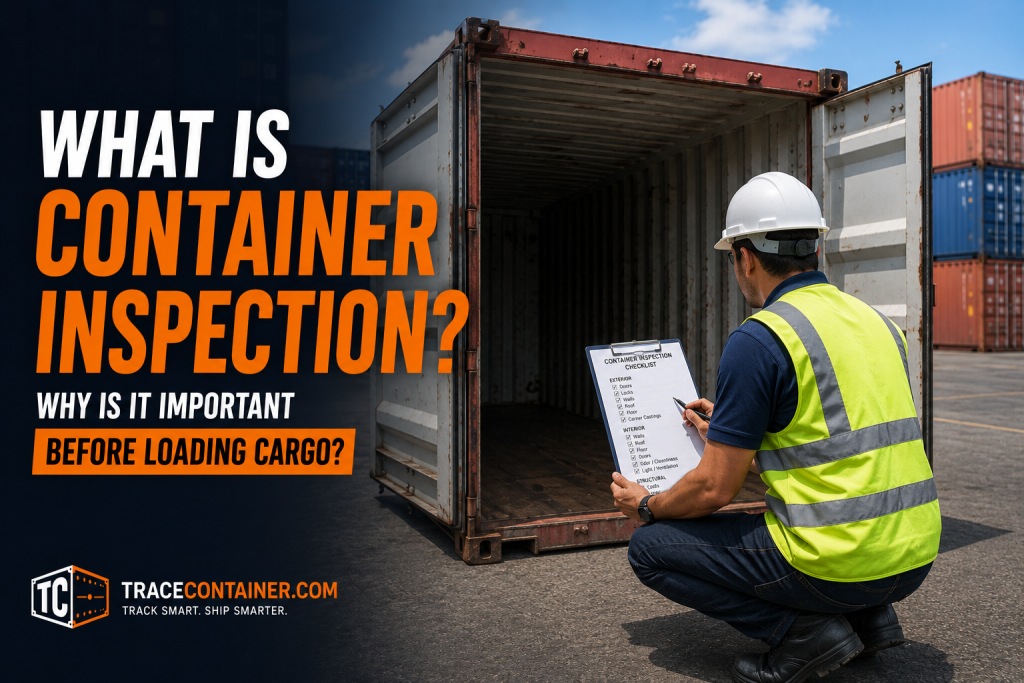
Container inspection is the process of checking the condition of an empty shipping container before loading cargo.
The inspection ensures that the container is:
- Structurally sound.
- Weatherproof.
- Clean and dry.
- Free from holes, leaks, or contamination.
- Suitable for the type of cargo being shipped.
If any major defects are found, the container should be rejected and replaced before loading.
Why is Container Inspection Important?
A container may have completed hundreds of trips across the world. During its lifetime, it can suffer damage from rough handling, corrosion, accidents, or previous cargo.
Inspecting the container before stuffing helps:
- Protect the cargo from damage.
- Prevent water leakage during sea transport.
- Avoid cargo contamination.
- Ensure worker safety.
- Reduce insurance claims.
- Prevent shipment delays caused by damaged containers.
A 10-minute inspection before loading can save thousands of dollars in damaged goods.
What is Checked During a Container Inspection?
Before loading, inspectors usually check the following:
1. Exterior Condition
The outside of the container is inspected for:
- Dents or major structural damage.
- Holes or cracks.
- Rust or corrosion.
- Damaged corner posts.
- Condition of the roof.
Any opening in the container could allow water to enter during transit.
2. Interior Condition
Inside the container, inspectors check for:
- Cleanliness.
- Moisture or standing water.
- Bad odors.
- Previous cargo residue.
- Oil or chemical stains.
- Loose flooring.
The container should be dry and free from contaminants before loading.
3. Doors and Door Seals
The container doors should:
- Open and close smoothly.
- Lock properly.
- Have undamaged rubber door gaskets.
- Form a tight seal to prevent water ingress.
Faulty door seals are one of the most common causes of cargo damage caused by rain or seawater.
4. Container Floor
The floor should be checked for:
- Broken wooden planks.
- Soft or weak spots.
- Nails or sharp objects.
- Oil contamination.
A damaged floor can become a safety hazard during loading and unloading.
5. CSC Plate
Every shipping container has a CSC (Container Safety Convention) Plate attached to it.
The plate contains important information such as:
- Container number.
- Maximum gross weight.
- Tare weight.
- Payload capacity.
- Date of manufacture.
- Safety approval details.
The CSC Plate confirms that the container is certified for international transport.
Real-Life Example
Suppose a company is exporting pharmaceutical products from India.
During inspection, workers discover a small hole in the container roof.
Although the hole seems minor, rainwater could enter during the sea voyage and damage the medicines.
Instead of loading the cargo, the exporter rejects the container and requests another one from the shipping line.
A simple inspection prevents a potentially costly cargo loss.
The 7-Point Container Inspection
Many shipping companies and logistics providers follow a 7-Point Container Inspection before stuffing.
The inspection covers:
- Front wall.
- Left side.
- Right side.
- Floor.
- Ceiling/Roof.
- Doors.
- Outside/Undercarriage.
This systematic check helps identify defects that may not be immediately visible.
Conclusion
Container inspection is a critical step before loading any shipment. It ensures the container is clean, dry, structurally sound, and suitable for transporting cargo safely.
Whether you’re shipping electronics, food products, machinery, or chemicals, taking a few minutes to inspect the container can prevent cargo damage, customs issues, and costly delays later in the supply chain.