Sometimes, an importer purchases goods from an overseas supplier but decides to sell those goods before they arrive in India. This type of transaction is known as a High Sea Sale (HSS).
In simple terms, a High Sea Sale is the sale of imported goods while they are still in transit and before they are cleared by Customs.
What is High Sea Sale (HSS)?
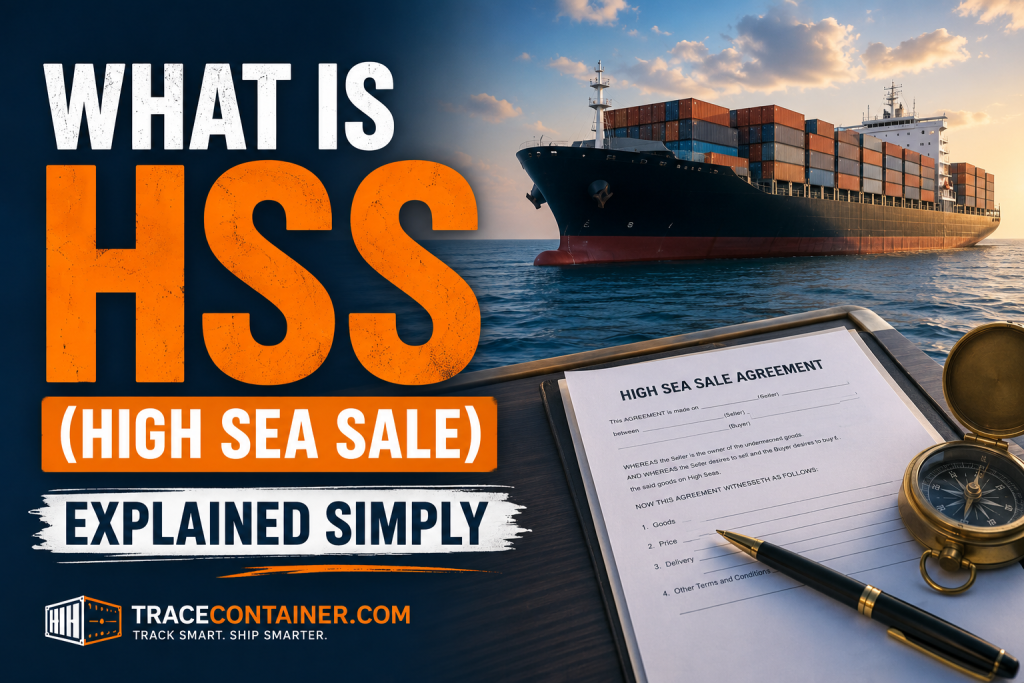
A High Sea Sale (HSS) is a transaction where the original importer (seller) transfers the ownership of imported goods to another buyer after the goods have been shipped but before customs clearance.
Although the goods are physically on a vessel (or have arrived at the port), they have not yet been cleared for home consumption. Since Customs has not released the cargo, the ownership can still be transferred through a High Sea Sale Agreement.
The final buyer becomes responsible for customs clearance and payment of applicable duties.
When Can a High Sea Sale Be Done?
A High Sea Sale can only take place:
- After the goods have been dispatched from the exporting country.
- Before the goods are cleared by Customs.
- Before filing or final processing of the import clearance by the ultimate buyer, as applicable under customs procedures.
Once the goods have been cleared for home consumption, a High Sea Sale is no longer possible.
Documents Required for High Sea Sale
A High Sea Sale transaction generally requires the following documents:
- High Sea Sale Agreement signed by both parties.
- Original Bill of Lading endorsed in favor of the High Sea buyer.
- Commercial Invoice issued by the overseas supplier.
- High Sea Sale Invoice raised by the original importer.
- Packing List.
- Import documents required for customs clearance, such as the Bill of Entry and any applicable licenses or certificates.
The exact documentation may vary depending on the nature of the goods and Customs requirements.
Benefits of High Sea Sale
High Sea Sale offers several advantages in international trade:
- No need to re-export and re-import the goods.
- Faster transfer of ownership while the cargo is still in transit.
- Useful for traders who buy and sell goods without taking physical delivery.
- Simplifies supply chain operations by allowing the final buyer to clear the goods directly.
- Reduces additional handling and logistics costs that could arise from multiple transactions.
Because of these benefits, High Sea Sale is commonly used in commodity trading, manufacturing, and international procurement.
Things to Remember
Before entering into a High Sea Sale transaction, ensure that:
- The High Sea Sale Agreement is executed before customs clearance.
- All shipping documents are properly endorsed.
- The buyer and seller maintain complete documentation for Customs.
- The final importer files the necessary customs documents using the High Sea Sale paperwork.
Proper documentation helps avoid customs queries and ensures a smooth clearance process.
Conclusion
A High Sea Sale (HSS) allows imported goods to be sold while they are still in transit, before Customs clears them. It is a widely used practice in international trade that enables businesses to transfer ownership without moving the goods again.
When supported by the correct agreements and shipping documents, High Sea Sale helps businesses save time, reduce logistics costs, and streamline the import process.